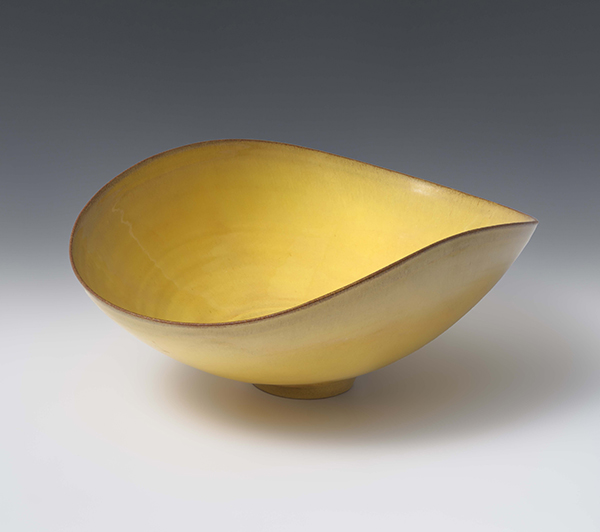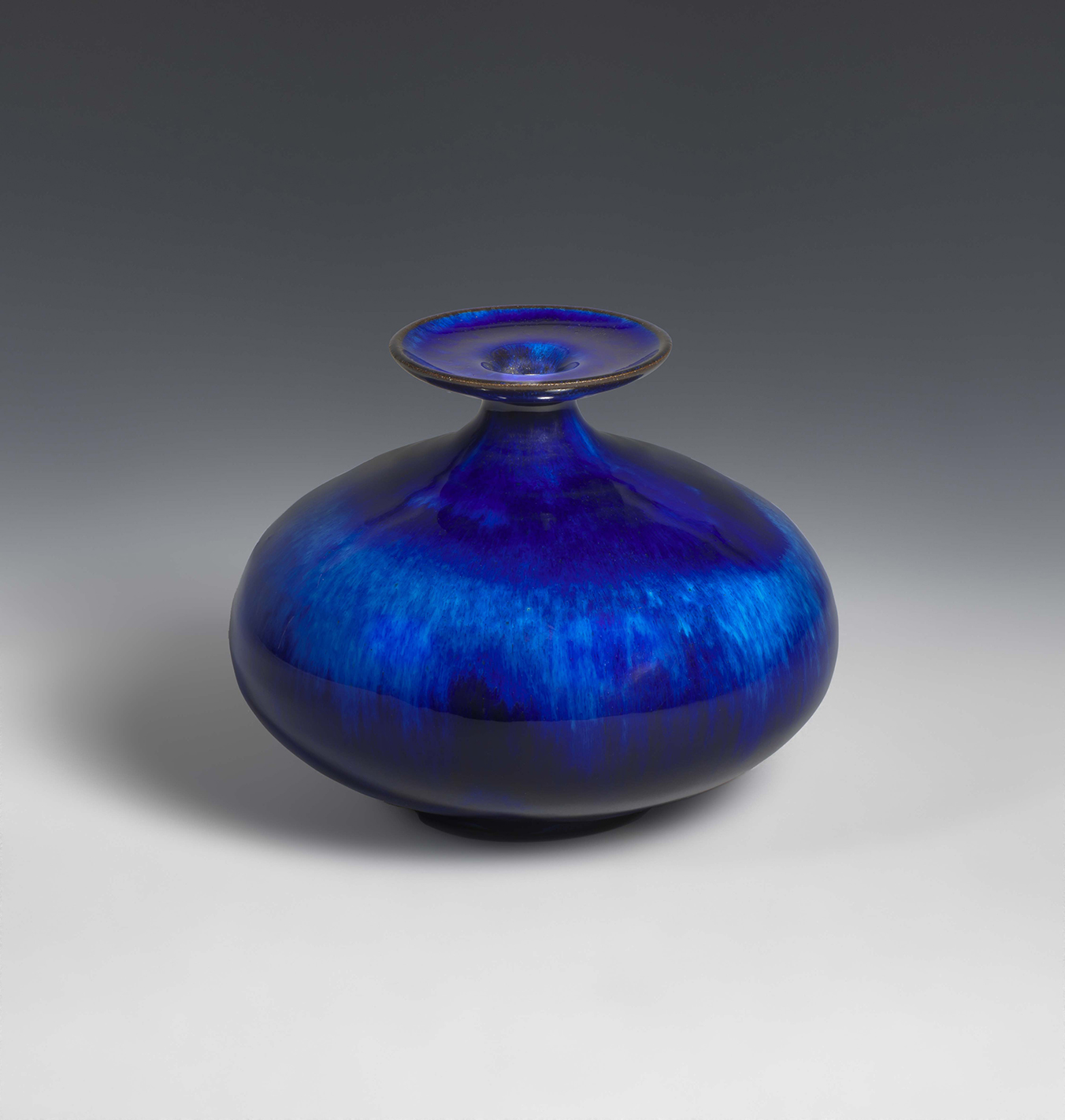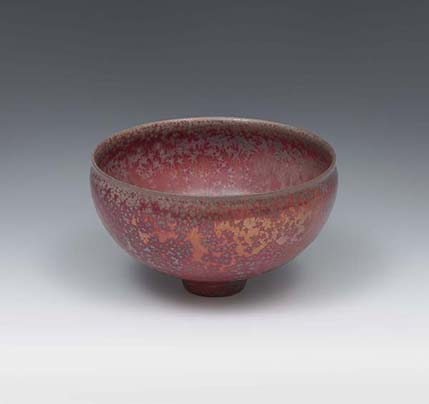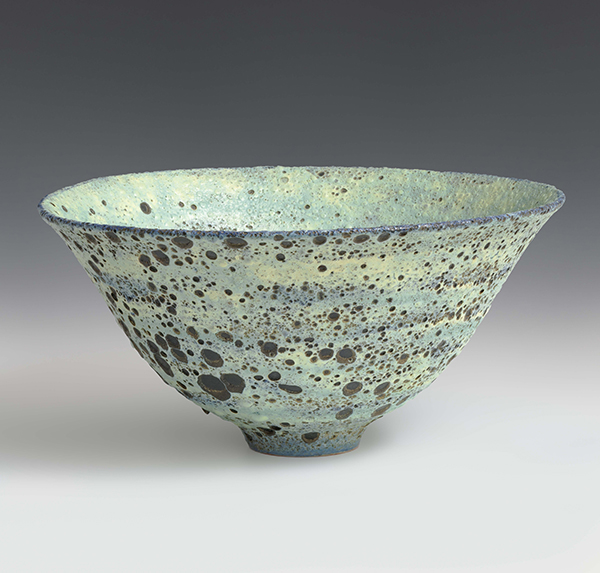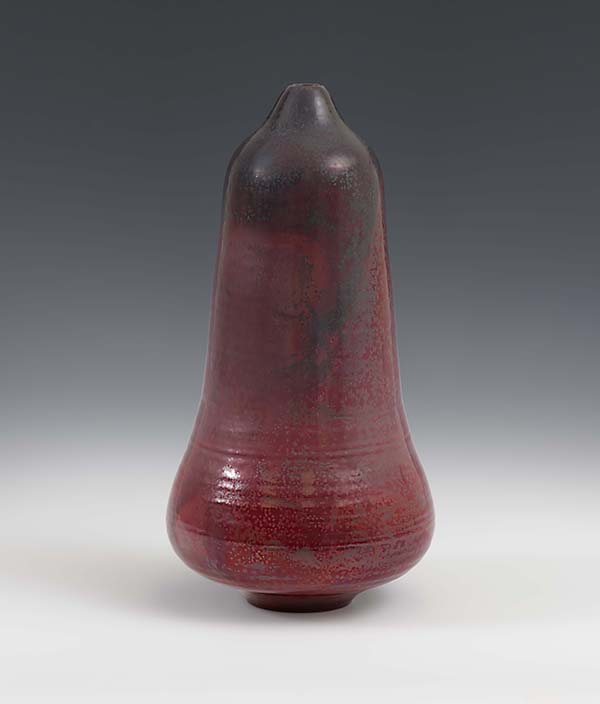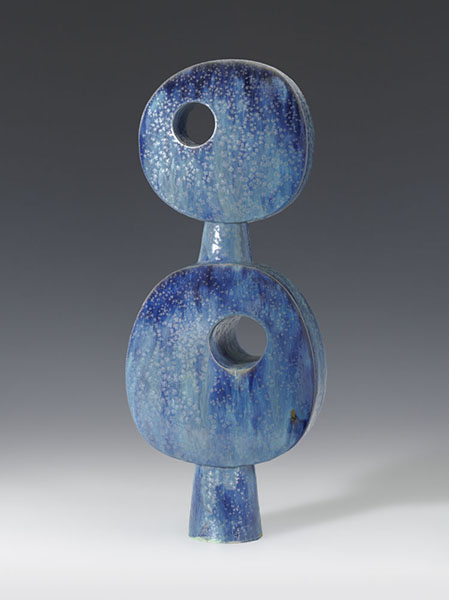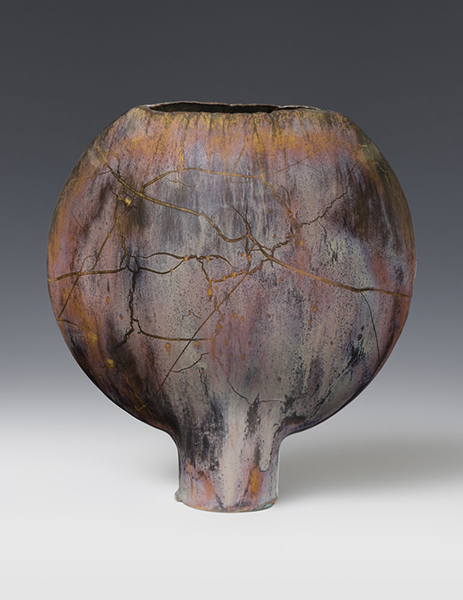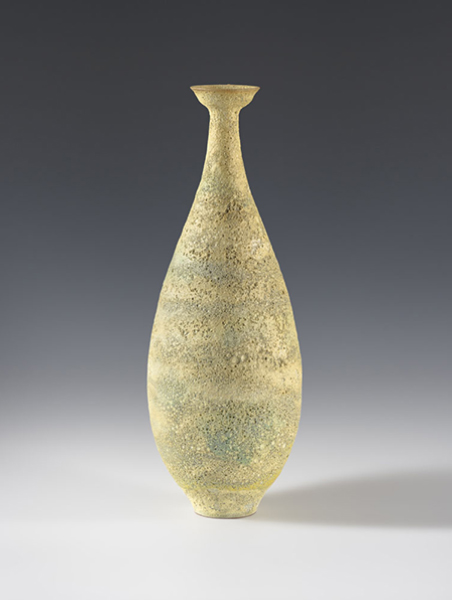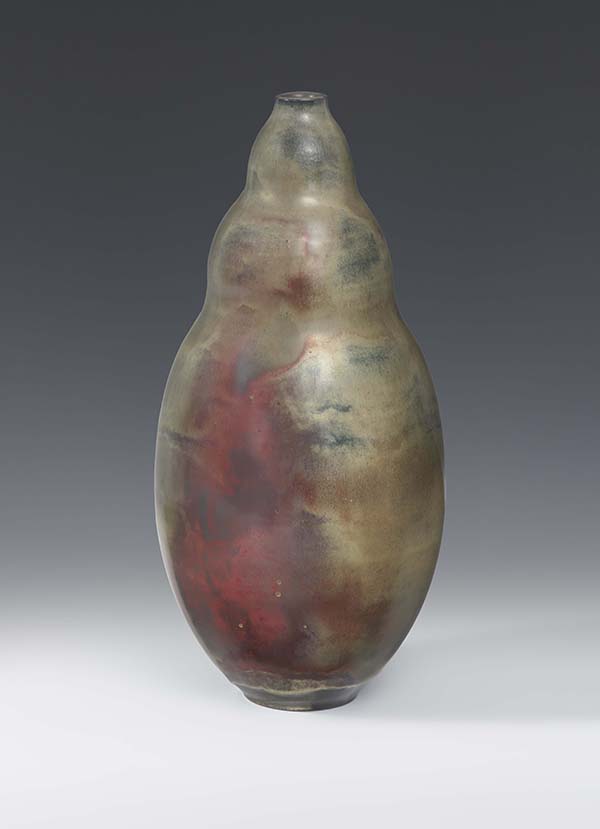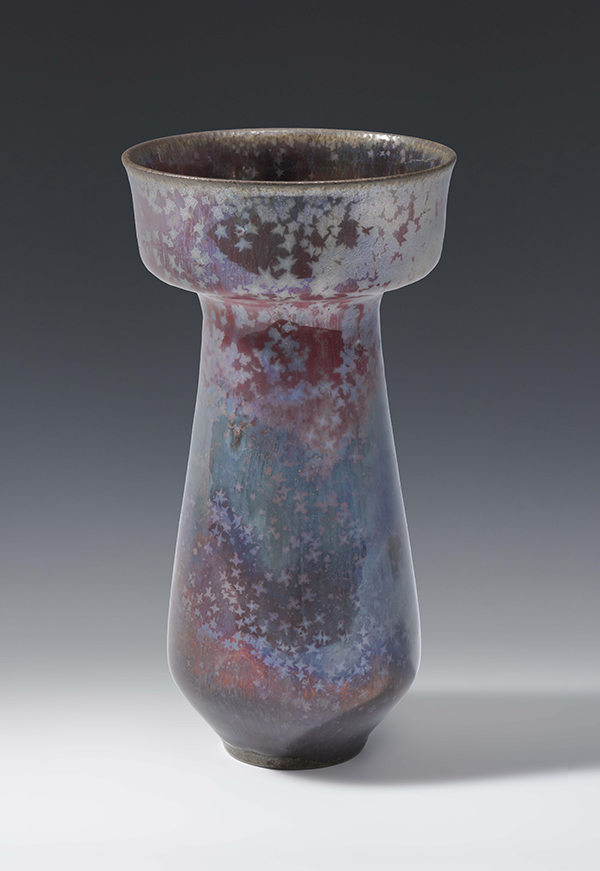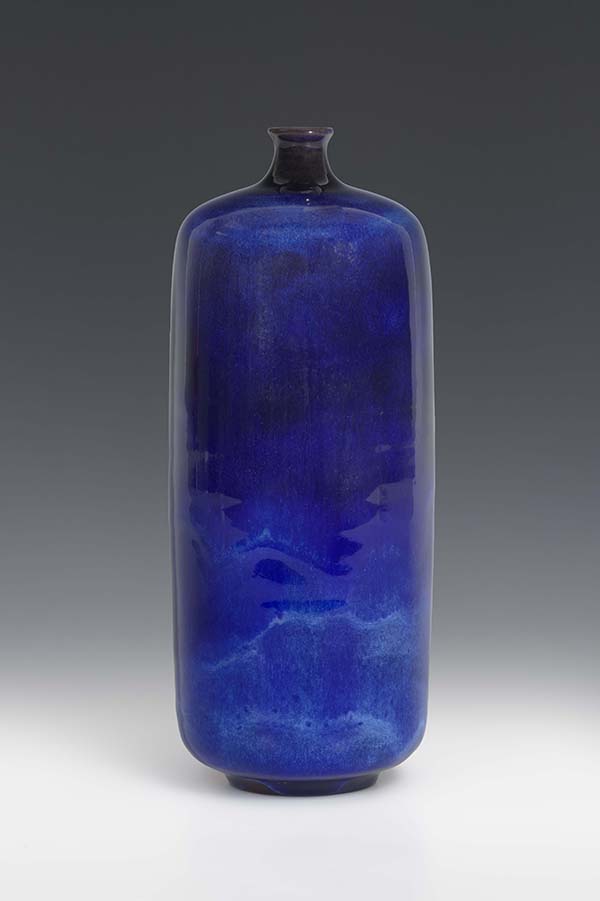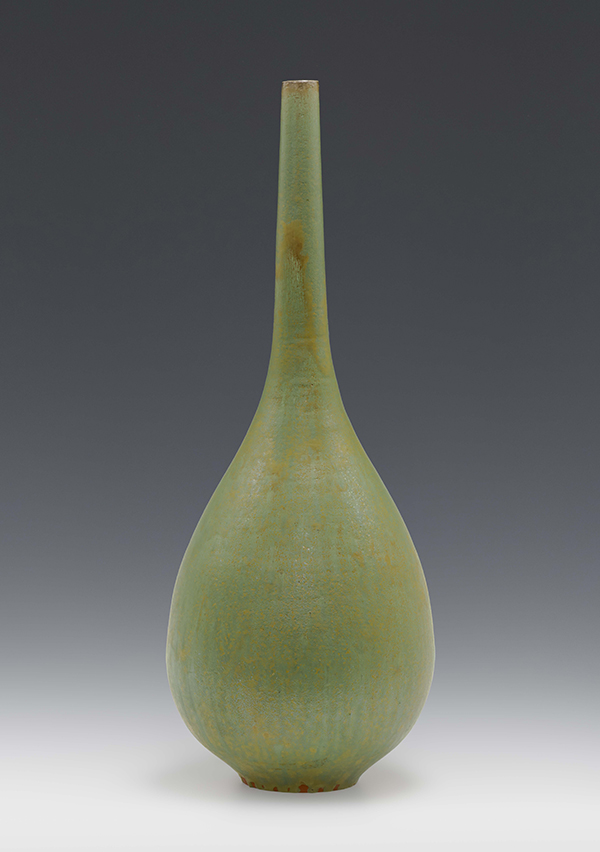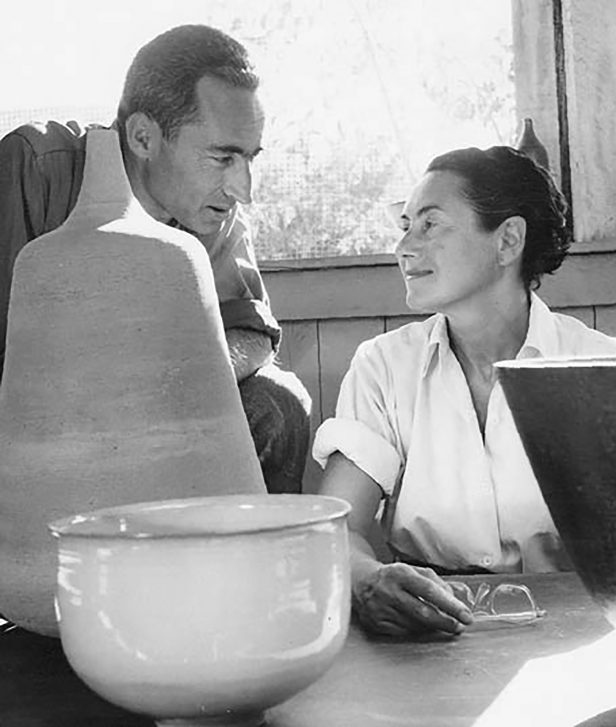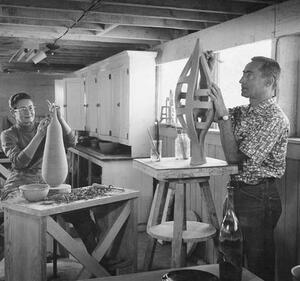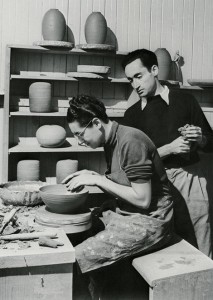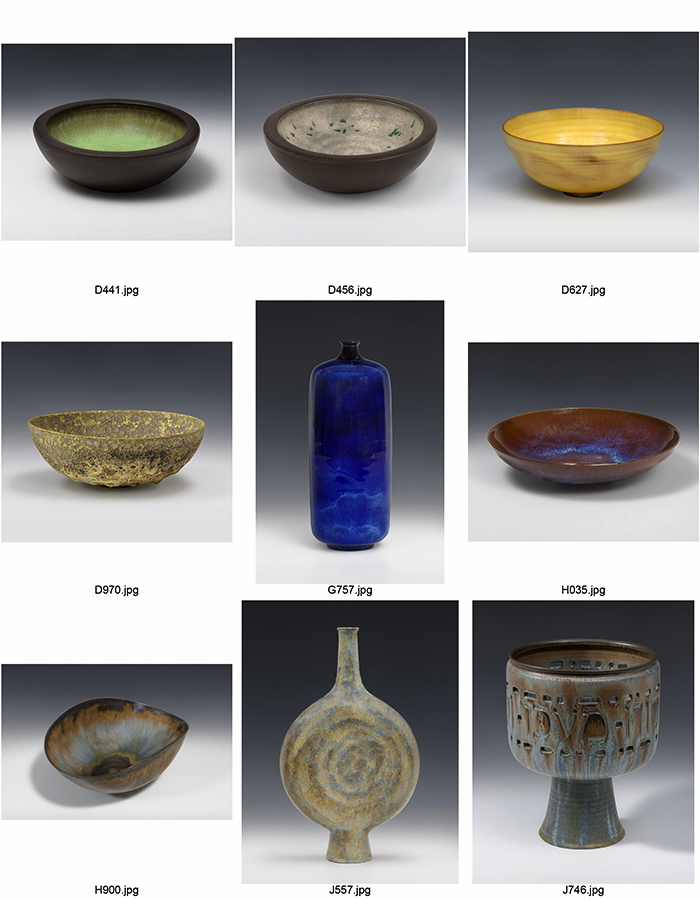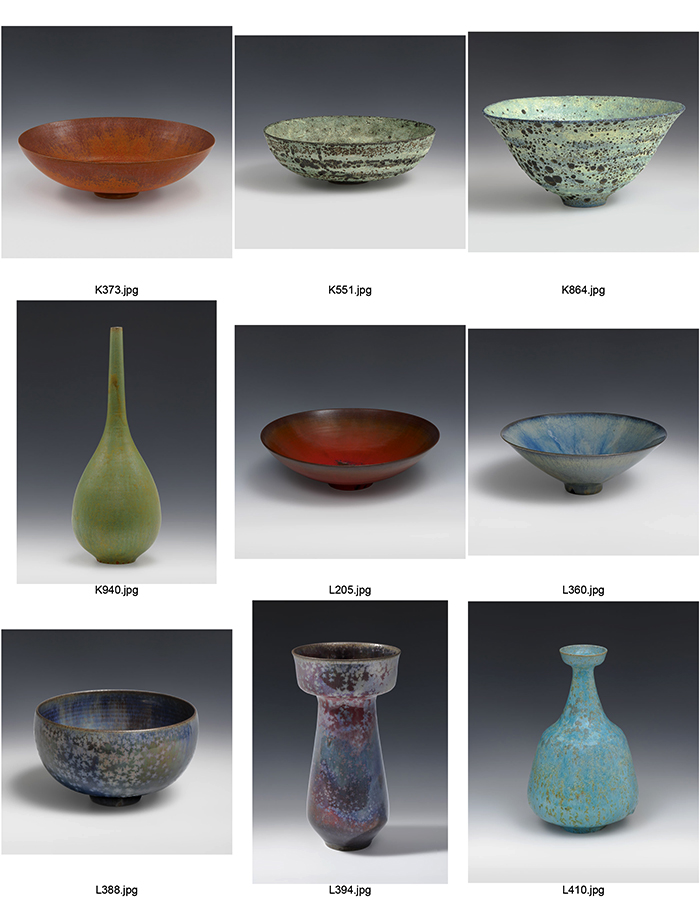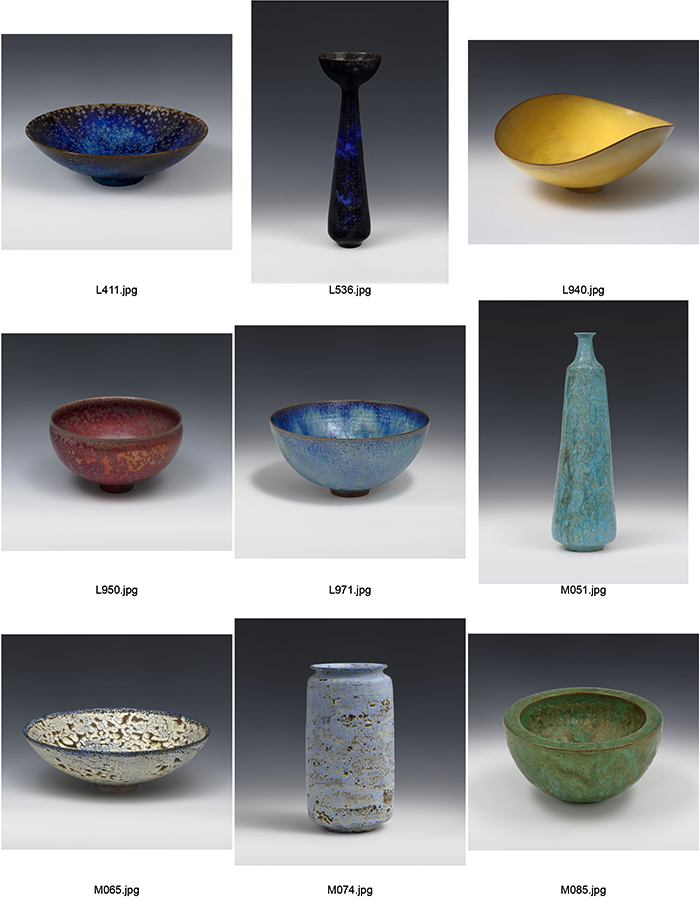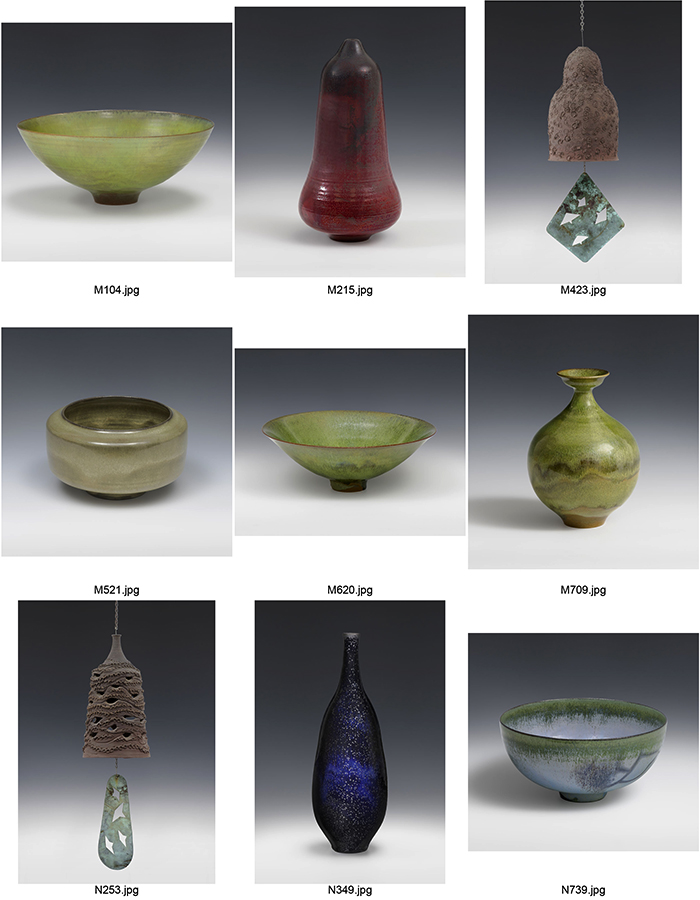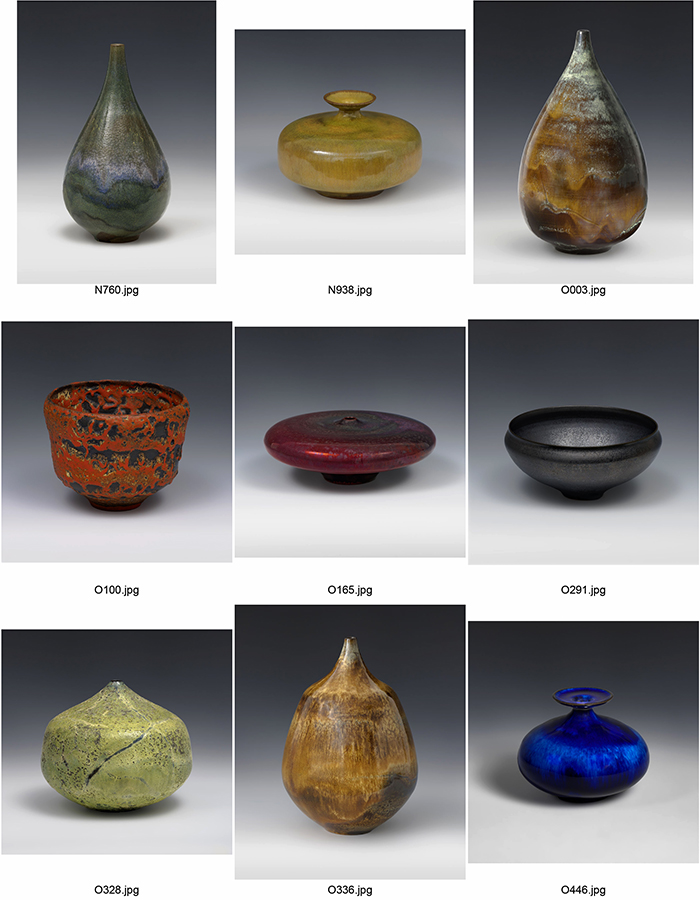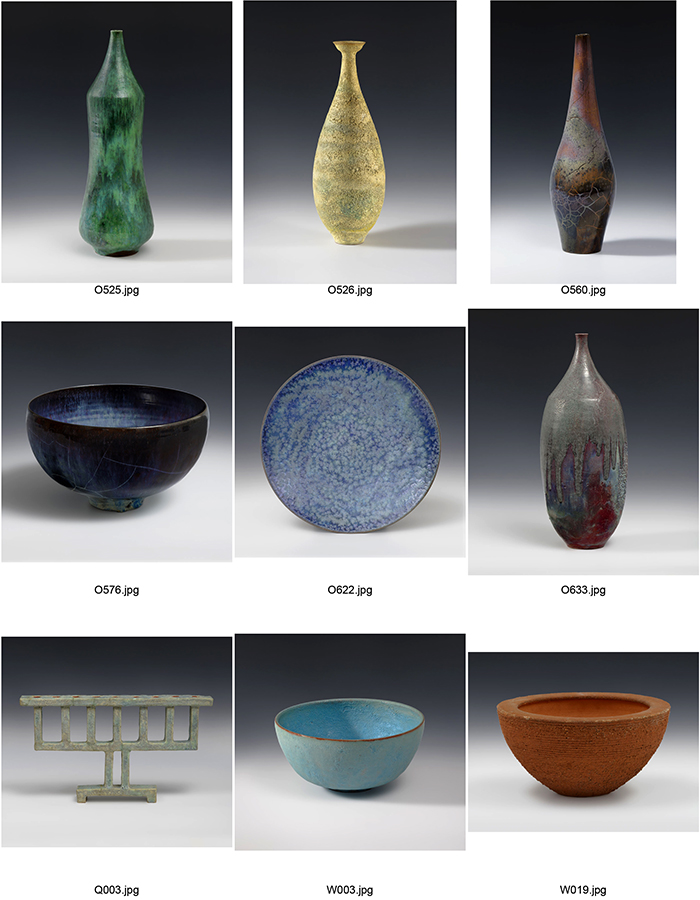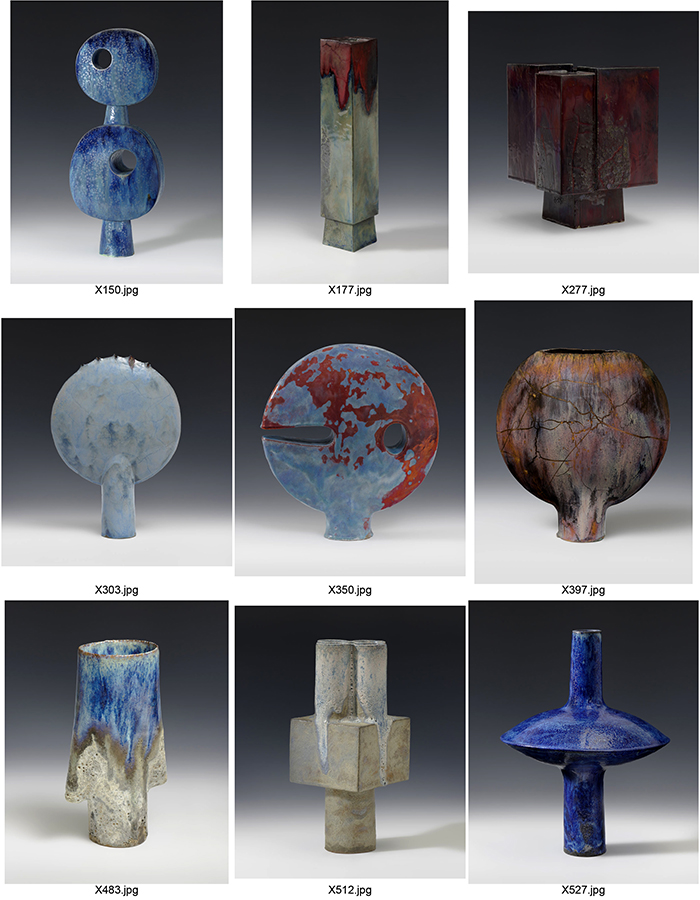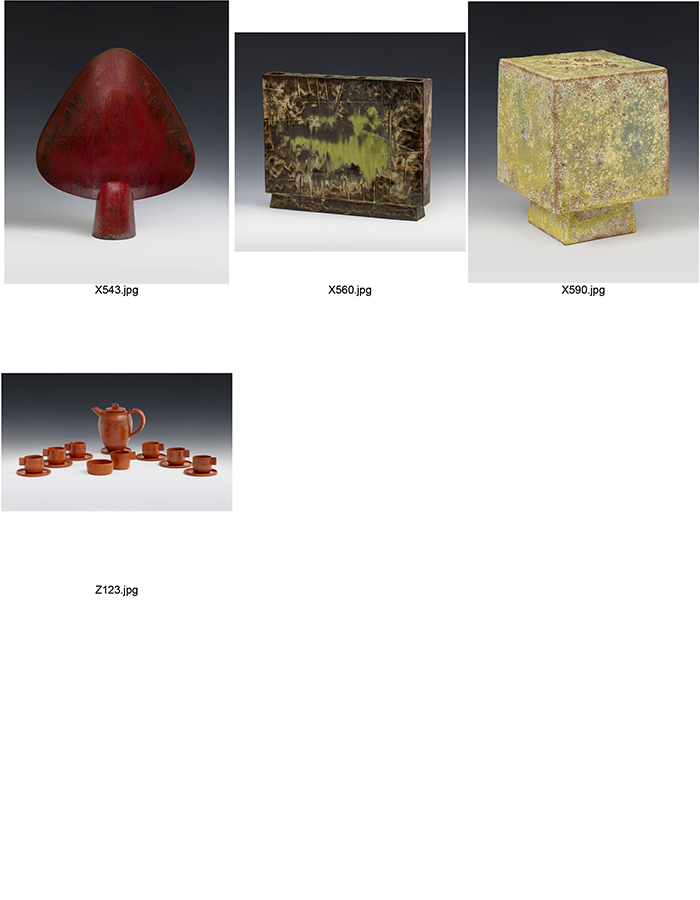
A new traveling exhibition is currently being organized featuring the works of Gertrud Natzler (1908-1971) and Otto Natzler (1908-2007) two of the most influential ceramists of the 20th century. The exhibition is available for circulation to museums worldwide beginning in January 2027 through 2029.
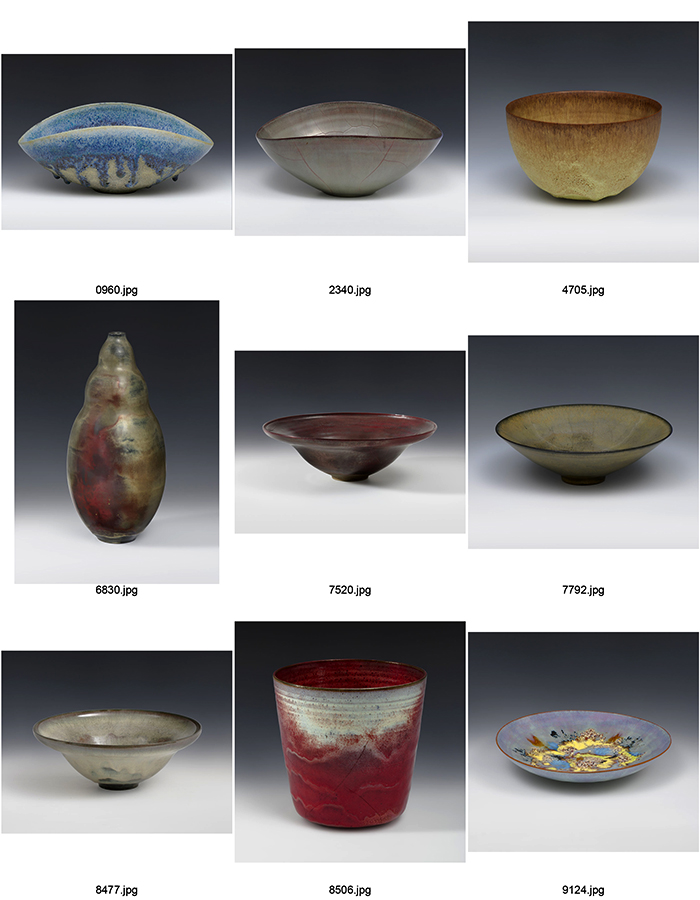
A SUBLIME LEGACY: THE CERAMICS OF GERTRUD & OTTO NATZLER will include 77 works from the Natzler Family Trust. Featured are many rare works from the private collection of Gertrud and Otto Natzler never publicly exhibited before. The exhibition will be accompanied by a fully illustrated color catalog featuring an introduction from Curator, Darrel Couturier, an essay and image chronology by Curator, Jo Lauria, and a commentary on Natzler glazes by notable contemporary ceramist Jay Kvapil. A documentary film is also in production that will be available for showings as well as a shorter continuis loop for viewing in the gallery.
Originally from Vienna, the couple came to the United States in 1938 just months after Hitler’s invasion of Austria. They arrived in Los Angeles with their wheel and kiln and immediately set up a studio to produce work. Gertrud crafted unprecedented, elegant ceramics featuring simple lines and wafer-thin forms. Otto invented the extraordinary 2,000+ glazes that completed Gertrud’s terracotta work. They had a great influence on their contemporaries and the development of the Mid-century Modernist style.
The works in this exhibition include a very early bowl, ca. 1935, from the Natzler’s Vienna years; a long-necked bottle, the tallest bottle form Gertrud ever threw; one of the largest bowls thrown by Gertrud with one of Otto’s famous crater glazes in addition to numerous other works that represent the range of forms and glazes for which they were celebrated. The dates of the works range from the early work noted above to 1992 and includes as well the solo work of Otto Natzler who, after the death of Gertrud in 1971, produced his own ceramic pieces that were slab or coil built.
The exhibition is being curated by Darrel Couturier and Jo Lauria. Couturier has curated over 300 fine art, ceramics and photography exhibitions, in his eponymous gallery (1987-2018), and for other institutions. He has represented the Natzlers for over 31 years. The exhibition tour is being organized by the Natzler Family Trust in association with Landau Traveling Exhibitions, Los Angeles, CA. For more information and to book dates please contact LTE at 310 397 3098 or info@a-r-t.com
|
_________________________________________________________________________________________________
Exhibition Statement
Excerpted from
Defining the Edges of Beauty
Catalog Essay by Jo Lauria |
This exhibition presents over 75 exceptional pieces from the personal collection of internationally renowned ceramists Gertrud and Otto Natzler—works they privately assembled to represent the remarkable scope of their artistic collaboration. The exhibition examines the merger of their talents and highlights how their work distinguished itself through masterful craftsmanship and modernist principles of "truth to materials" and reduction to essential forms. Among the rarest pieces are two monumental works: the tallest bottle Gertrud ever threw on her wheel and one of her largest open bowls, alongside a generously proportioned "Pilgrim Bottle"—one of only two ever made, as documented in Otto's inventory of 24,000 pieces. The exhibition also includes a representative sampling of Otto's solo work: hand-built geometric forms, including cubes, pyramids, ovoids, cylinders, monoliths, and disks that were celebrated in multiple exhibitions during his lifetime.
Both born in Vienna in 1908, Gertrud and Otto began collaborating in 1935 in a rented studio after a year of instruction at Franz Iskra's ceramic workshop. Otto had been working as a textile designer and Gertrud as a secretary when they met in 1933, and according to Otto, it was love at first meeting with Gertrud and with clay. Primarily self-taught, they worked in near-seclusion in their Vienna studio for several years to advance their skills. Their shared vision endured through marriage and emigration to the United States in 1938, when Austria was annexed by Nazi Germany, and through the re-establishment of their home and studio in Los Angeles, and until Gertrud's death from cancer in 1971. During their 37-year collaboration, Gertrud developed an extraordinary talent for throwing astoundingly thin-walled, perfectly proportioned vessels with rhythmic flow—limited in shape yet almost limitless in nuanced variation. Otto devoted his scientific mind to glaze chemistry and firing techniques, inventing glazes that were shockingly new and provocative, sometimes visually explosive in color and texture, depending on the firing methods employed to achieve desired effects..
Represented in over 60 museum collections worldwide, Gertrud and Otto Natzler's ceramic vessels have become part of our cultural inheritance, yet they refuse to remain frozen in time—they continue to breathe, evolve, and find new audiences with each passing generation. Gertrud's elegant forms, shaped with equal measures of strength and sensitivity, found their perfect complement in Otto's original and seamlessly integrated glazes . Together, they achieved consummate control, finding an ideal balance between form and surface. United by a shared purist philosophy, the Natzlers believed that beauty could only be coaxed from the manipulation of materials themselves, forging an expressive vocabulary uniquely their own. The enduring significance of their long and productive partnership lies not merely in their reflection of twentieth-century modernism, but in their capacity to transcend that era—continuing to resonate with contemporary audiences while projecting forward to captivate generations yet to come.
Jo Lauria is a curator and writer with a focus on 20th- and 21st-century American design and craft, and a specialist in interdisciplinary research
that integrates archival materials into her curatorial practice. |
______________________________________________________________________________________________
Exhibition Facts
| Dates Available: |
2027 - 2030 |
| Contents: |
77 ceramic works, assorted ephemera -List of Works |
| Publications: |
A full color catalogue is being published |
| Documentary Film: |
For showings and a continuis loop for in gallery viewing |
| Lecturer Available: |
On request |
| Space Req: |
3000 square feet approx.
|
| Loan Fee: |
On Request |
| Insurance: |
Exhibitor responsible for wall to wall coverage |
| Shipping: |
Exhibitor responsible |
Requirements: |
Covered vitrines or cases
|
______________________________________________________________________________________________
Schedule
as of 10/22/26
2027
June 1 - August 31
OPEN
October 3, 2027- January 16, 2028
Crocker Museum
2028
Februay 7 - March 31
OPEN
April 24 - September 6
Everson Museum
Syracuse, NY
October 1 - December 31
OPEN
2029
January 1 - 23
OPEN
February 17–May 28
Reserved
June 21 - December 31
OPEN
2030
OPEN
____________________________________________________________________________
Contact
|